
I’ll be honest, when people ask me about marketing advice these days, video is almost always where the conversation lands. Not because it’s trendy (though it is), but because it actually works, and I’ve watched it work for businesses that had zero budget and zero polish.
So let’s talk about what video marketing really is, why it keeps winning, and how to actually use it without burning weeks on something nobody watches.
What we’re really talking about
Video marketing is just using video to get your message, product, or brand in front of people. That covers a lot of ground. A fifteen-second clip of someone unboxing your product, a rambling YouTube tutorial, a customer talking about how your service saved them a headache, a live Q&A where you’re winging half the answers. All of it counts.
What matters is that video does something text can’t. People watch, they absorb, and they remember. I’ve had clients tell me a thirty-second clip did more for their sales than a year of blog posts. I don’t think that’s universally true, but I’ve seen it happen often enough to take it seriously.
Why it works (and why it’s not just hype)
A few things video does better than almost anything else:
It builds trust fast. There’s something about watching a real person, with a real voice and real mannerisms, that text just can’t replicate. Even a slightly awkward, unscripted video can feel more honest than a perfectly written paragraph.
It explains the hard stuff. Some products are genuinely difficult to describe. I once tried writing up how a piece of software worked and gave up after three paragraphs. Made a sixty-second screen recording instead. Done.
It travels. People share videos with friends in a way they rarely do with articles. A funny clip, a useful tip, a relatable moment, these get passed around.
It’s flexible. Record once, cut it five ways. Full version on YouTube, a tight clip for TikTok, a square crop for Instagram, a thumbnail for your website. One shoot, multiple uses.
I want to push back on one assumption people make though: that you need expensive equipment or a production team. I’ve seen shaky, badly-lit videos from small shops outperform glossy ads from companies with real marketing budgets. Relevance beats polish. Almost every time.
The formats that actually get used
Not every video needs to be a whole production. Some of the most effective stuff is the simplest.
Product demos. Show, don’t tell. If your thing does something cool, point a camera at it and let it do that thing.
Behind-the-scenes content. People like seeing the mess behind the finished product. The workspace, the team, the process. It humanizes a brand fast, and it’s usually the easiest thing to film because you’re not performing, you’re just showing what’s already there.
Customer testimonials. Nothing beats a real person saying “this worked for me.” It carries weight that nothing you say about your own product ever will.
How-to and educational videos. These answer questions people are already typing into search bars. They’re also great for finding new audiences, since search traffic tends to be more reliable than algorithm luck.
Live video. Messier, less polished, but it creates urgency. People show up because it’s happening now, and the interaction (comments, questions, reactions) makes it feel less like marketing and more like a conversation.
Which format works best really depends on where your audience is in their decision. Someone who’s never heard of you might need something quick and fun. Someone who’s already comparing you to a competitor probably wants the demo.
Building something that actually holds together
Here’s where most people stumble. They post a few videos, nothing happens immediately, and they give up. A real strategy needs a few things in place before you even hit record.
Figure out your goal first. Awareness, leads, or sales, because each one needs a different kind of video. Something meant to build awareness can be loose and entertaining. Something meant to drive a sale needs a clear next step (a link, a code, a button) baked right in.
Know who you’re talking to. Where do they hang out online? What are they searching for? What’s bugging them that your product or service fixes? This shapes everything, from the platform you pick to the tone you use.
Show up consistently. One great video won’t carry a business. I’ve watched accounts go viral once and then disappear because they had nothing to follow it up with. Regular posting, even small stuff, builds the kind of familiarity that eventually turns into trust.
Adjust for each platform. A long, horizontal YouTube video and a short, vertical TikTok clip are different animals. Reformatting takes extra time, sure, but skipping it usually means your content underperforms everywhere.
Actually look at the numbers. Most platforms hand you analytics for free. If people are bailing in the first five seconds, your opening needs work. If they’re watching the whole thing but not clicking anything, your call to action is the problem.
What actually matters when measuring success
Views feel good, I get it. But views alone don’t tell you much. Watch time tells you whether people are sticking around. Engagement (comments, shares, saves) tells you whether they cared enough to react. Click-through rate tells you whether the video is pushing people toward something. And conversions, the actual sign-ups, purchases, downloads, are the number that matters most.
A video with a million views and no conversions is basically just noise. A video with ten thousand views and five hundred sign-ups is doing real work.
Just start
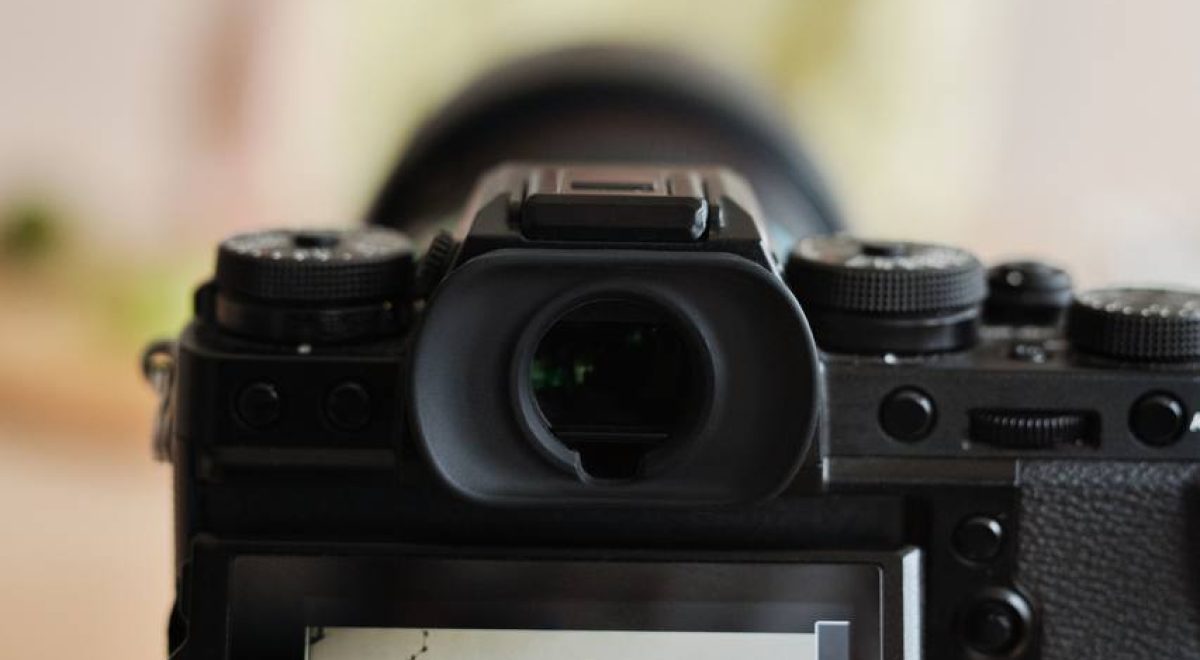
You don’t need fancy gear. A phone, a window for natural light, and a quiet corner is enough for most small business videos. What actually matters is having something worth saying.
Pick one platform. Pick one type of video. Stick with it for a few months before deciding whether it’s “working.” Video marketing rewards people who keep showing up, not people chasing a perfect first attempt.
Video isn’t going anywhere, and honestly, the businesses that lean into it now, even imperfectly, tend to be way ahead by the time everyone else catches up.