If you have ever watched a hundred people land on your website and only one of them buy anything, you already understand the problem a marketing funnel solves. Traffic alone means nothing. What matters is how many of those visitors actually turn into paying customers, and that is exactly what a well built funnel is designed to do.
Whether you run a small business, manage campaigns for clients, write a blog, or promote affiliate products, the same basic idea applies. People rarely buy the first time they see your brand. They need to be guided, step by step, from curiosity to trust to a decision. That path is your funnel.
What Is a Marketing Funnel, Really
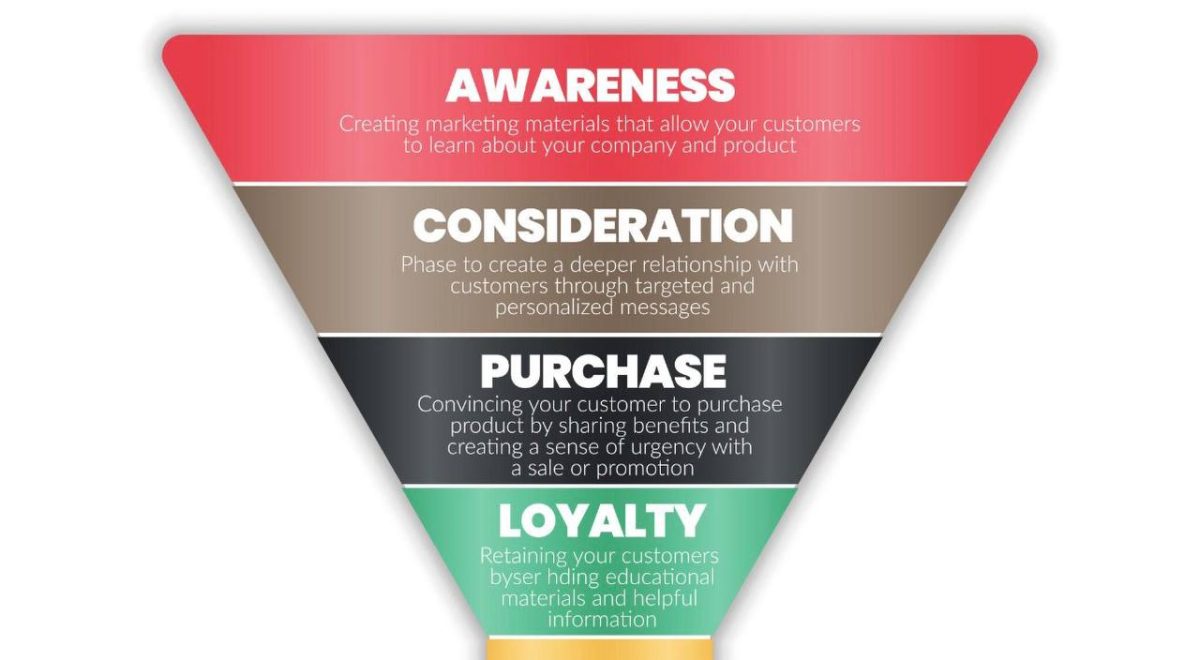
A marketing funnel is the journey someone takes from the moment they first hear about you to the moment they become a paying customer. Picture a wide funnel shape. Lots of people enter at the top, but only a smaller group makes it out the bottom as buyers.
You will often hear the terms marketing funnel, sales funnel, and conversion funnel used almost interchangeably. There is a subtle difference. A marketing funnel usually refers to the full customer journey, including awareness building. A sales funnel leans more toward the steps that happen once someone is already interested and closer to buying. A conversion funnel is often used to describe the specific actions that turn a visitor into a lead or a lead into a customer. In practice, most small businesses and marketers just treat these as one connected system, and that is fine.
Why does any of this matter? Because without a funnel, you are basically throwing traffic at your website and hoping something sticks. With a funnel, every blog post, ad, email, and landing page has a clear job to do, and you can actually measure where people drop off and fix it.
The Four Core Stages of a Marketing Funnel
Most funnels boil down to four stages, and understanding each one helps you create content and offers that match where a person actually is in their decision making, instead of pushing a sale too early.
Awareness
This is the top of the funnel. Someone discovers you exist, usually through a blog post, a social media video, a search result, or a friend’s recommendation. At this stage, people are not ready to buy. They are just realizing they have a problem or a want.
Example: someone searches “why is my skin so dry in winter” and lands on a skincare brand’s blog post. They have never heard of the brand before this moment.
Interest
Now the visitor knows who you are and wants to learn more. They might follow you on social media, read a few more articles, or subscribe to your newsletter. This is where lead generation really kicks in, since your goal is to capture their contact information so you can keep the conversation going.
Example: that same visitor signs up for a free skincare guide in exchange for their email address.
Consideration
At this point, the person is comparing options. They are asking whether your product is worth the money, how it compares to competitors, and whether it will actually solve their problem. Case studies, testimonials, comparison pages, and detailed product breakdowns work well here.
Example: the subscriber reads a case study showing before and after results, then checks reviews on the brand’s product page.
Purchase
This is the bottom of the funnel, where the visitor becomes a customer. Everything before this stage was designed to build enough trust and desire that saying yes feels like an easy, obvious decision.
Example: the subscriber receives a limited time discount email and finally buys the moisturizer.
Some marketers add a fifth stage called retention or loyalty, since keeping an existing customer is usually cheaper than finding a new one. It is worth thinking about even if you keep your funnel to four stages on paper.
How to Attract Visitors to the Top of Your Funnel
You cannot convert people who never show up in the first place, so the top of the funnel deserves real attention.
- Publish blog content that answers real questions your ideal customer is already searching for
- Use short form video, since platforms like TikTok, Instagram Reels, and YouTube Shorts are currently some of the easiest ways to reach new audiences
- Run targeted paid ads to specific audience segments rather than a broad, unfocused group
- Get featured through guest posts, podcasts, or partnerships with other creators in your niche
- Optimize for search engines so people find you organically over time
The goal here is simple. Show up where your future customers already are, and give them something genuinely useful the moment they arrive.
How to Convert Visitors into Customers
Attracting visitors is only half the job. Converting them is where most of the funnel work actually happens.
Build a Clear Path with Lead Magnets
A lead magnet, such as a free checklist, template, or discount code, gives visitors a reason to hand over their email address. Once you have that email, you own the relationship instead of relying on an algorithm to show your content again.
Nurture with Email or Retargeting
Most people will not buy on their first visit, so you need a way to stay in front of them. Email sequences and retargeting ads keep your brand top of mind while the person moves through the interest and consideration stages.
Make the Offer Obvious
By the time someone reaches the purchase stage, do not make them work to figure out what to do next. A clear call to action, a simple checkout process, and honest pricing remove the friction that causes people to abandon a purchase at the last second.
Use Social Proof
Reviews, testimonials, and user generated content do a lot of the convincing for you. People trust other customers more than they trust your own marketing copy.
Common Mistakes That Break a Funnel
Even a well designed funnel can leak customers if you fall into a few common traps.
Skipping the awareness and interest stages and jumping straight to a sales pitch is one of the biggest ones. Nobody wants to buy from a stranger, so pushing too hard too soon usually backfires.
Another mistake is sending everyone the same message regardless of where they are in the funnel. A first time visitor and a returning customer have very different needs, and treating them identically wastes the opportunity to speak directly to each group.
Ignoring your data is another trap. If a huge percentage of people are dropping off between the interest and consideration stages, that is valuable information telling you exactly where to improve.
Finally, many businesses build a funnel once and never touch it again. Customer behavior changes, platforms change, and what worked a year ago may not work today, so your funnel needs regular check ins.
Actionable Tips to Improve Your Funnel Today
- Map out your current customer journey on paper, even roughly, so you can see the gaps
- Add a simple lead magnet if you do not already have one
- Set up at least one email sequence that nurtures new subscribers automatically
- Track where visitors drop off using analytics so you know which stage needs the most work
- Test one change at a time, such as a new headline or call to action, so you know what actually moved the needle
- Ask past customers what almost stopped them from buying, since their honest feedback often reveals blind spots you cannot see from the inside
Bringing It All Together
A marketing funnel is not a complicated theory reserved for big corporations with huge budgets. It is simply a way of thinking about your audience’s journey, from the first time they hear your name to the moment they trust you enough to buy. Every blog post, ad, email, and landing page you create should have a clear job within that journey.
Start small. Pick one stage of your funnel that feels the weakest right now, whether that is attracting visitors, capturing leads, or closing the sale, and focus your energy there first. Once that piece is working, move to the next.
If you want a simple starting point, sit down this week and sketch your funnel from top to bottom. Write down exactly what happens at each stage today, then decide on one improvement you can make in the next seven days. That single step is often what separates businesses that grow steadily from those that just hope traffic eventually turns into sales.